Ajay Bhatt - the inventor of the USB
Ajay Bhatt - the inventor of the USBDate of publication: 06-09-2021 Update date: 10-04-2026 🕒 3 min read

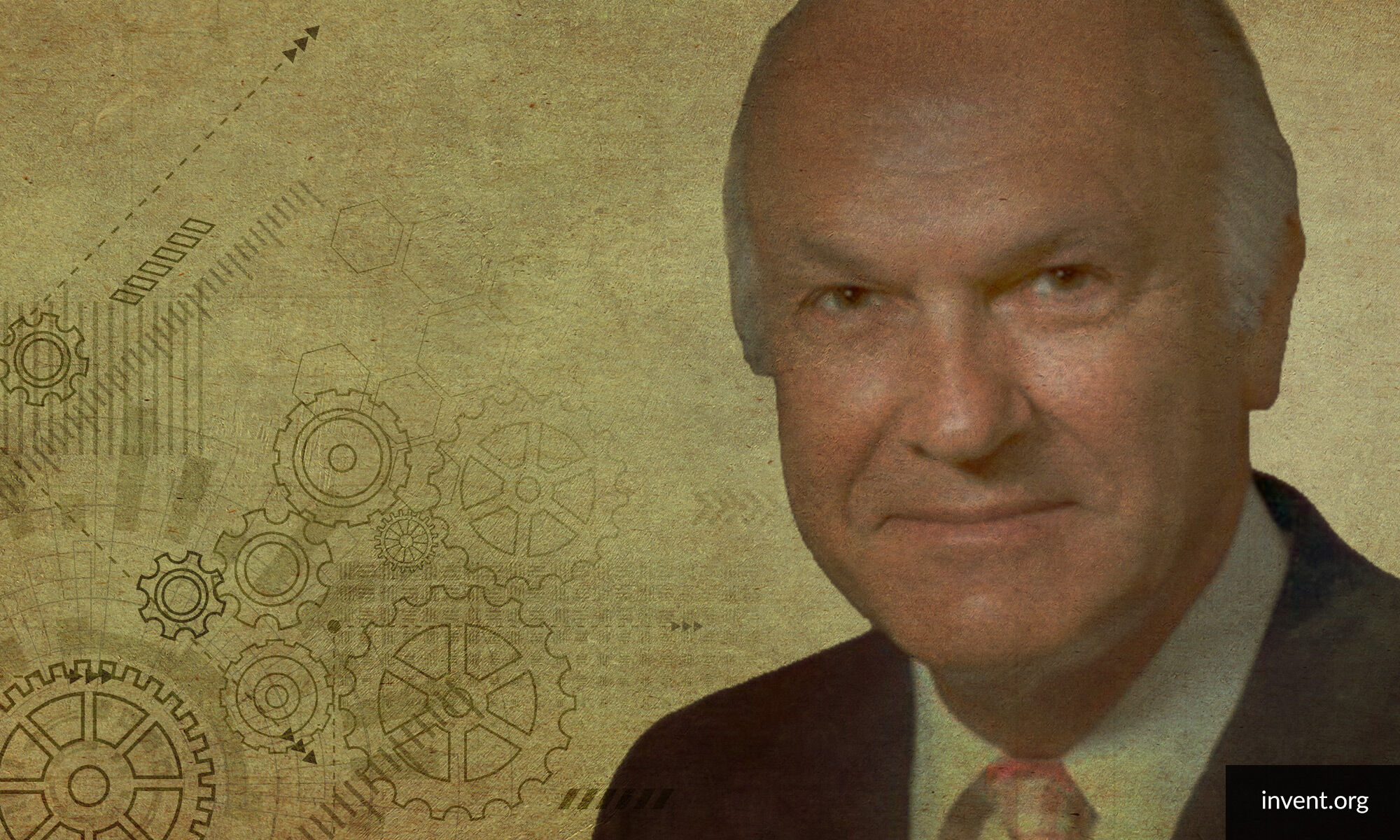
Ajay Bhatt is from Baroda (western India). He was born on 6.09.1957 and started his education at Baroda College. However, he completed his studies in the United States, at the City University of New York. He began his career with Intel and has contributed to the company's growth.
Interestingly, Bhatta's greatest invention so far was the result of technical problems, as was the case with Dov Moran. Moreover, both ideas have a lot in common. Moran invented the USB flash drive, while the USB or the Universal Serial Bus was developed by Ajay Bhatt. The standard now known to almost everyone was developed thanks to Bhatt's wife. One day she wanted to print school materials for her child. Unfortunately, it turned out to be a big challenge due to, inter alia, limited ability to connect computers with peripherals. Individual manufacturers used different types of connectors, which forced the purchase of dedicated peripherals. Bhatta then decided to develop a common, convenient, and universal system. He presented his idea to many companies, including Apple, but only Intel decided to develop the concept. You probably don't need to be reminded of how the USB story ended. Already in the second half of the 1990s, this standard was used by both Apple and Microsoft, and today these connectors are displacing almost all other solutions, not only for consumer electronics, but also for industrial electronics. Naturally, USB connectors have evolved considerably over the years, but the idea of making computer technology more accessible, which was behind their invention, has remained the same. Interestingly, it had not only a technological but also a financial dimension. The USB creator himself did not receive any direct gratifications for his idea, while Intel made the technology widely available from the very beginning. In an interview, Bhatt explained this approach by stating that if the market for computers grows and becomes more accessible with his invention, his company will sell more products, and that is the biggest profit.
Apart from USB, Bhatt developed other technologies. He was involved in the development of many other solutions that Intel later introduced to the market. These include, for example, the AGP bus, which influenced the performance of graphics cards, and its "successor", the PCI Express connection. In total, Bhatt has obtained over 130 patents and continues to work on solutions to make technology more accessible and user-friendly.
Looking at the consumer devices available on the shelves of computer and electronics shops, it is difficult to imagine modern electronic equipment without the USB standard. Above all, it has become one of the primary methods of powering phones or tablets etc. USB chargers, are required by most mobile devices, games consoles, single-board computers – it is also no longer surprising to see a USB port in a car. Many of us have probably experienced the "curse" of abundance when looking for the right USB cable in a drawer full of cables. There are countless adapters, plugs, extension cables, and other accessories for USB to USB connection available in the market. And although the small differences between the variants can be irritating, especially for those less interested in the development of electronics - choosing the right solution that will ensure reliable data transfer between the peripherals and the computer is now easier than ever before.
Even professionals appreciate the benefits of USB. First of all, this standard has been adapted in many integrated circuits - not only interface circuits. Native support for high-speed serial connections is provided by most modern microcontrollers, and thus also by platforms such as Arduino. Laboratory equipment and programmers also use this interface. Moreover, it is sometimes used in microprocessor systems. Perhaps the best-known example of such non-standard use is the Ethernet port in older models of Raspberry Pi computers. From the hardware point of view, it was an adapter soldered to the board and connected to the processor via a USB bus. Not surprisingly, the familiar "B" sockets are increasingly common also in the industry and automation equipment.
Of course, we can't leave out devices that not only use the Universal Serial Bus, but were even inspired by it: external network adapters (Wi-Fi), flash drives , etc. Meanwhile, with USB 3.1 and USB C entering the market, this interface has become a real competitor to HDMI and even high-current power connectors on laptops.
With his invention, Ajay Bhatt has brought long-awaited relief to users of electronics - an easy-to-use, universal cable, thanks to which neither amateurs nor engineers need to ask themselves the question: "how to connect it?". Necessity is indeed the mother of invention - and in this case it was a need of the whole world.
Transfer Multisort Elektronik (TME) is one of the world’s largest global distributors of electronic components, electrotechnical parts, workshop equipment, and industrial automation. The catalog includes over 1,500,000 products from 1,300 leading manufacturers. TME’s modern logistics centers in Łódź and Rzgów (Poland), with a combined area of over 40,000 m², ship nearly 6,000 packages daily to customers in more than 150 countries.
TME also invests in the development of knowledge and skills of young engineers and electronics enthusiasts through the TME Education project, and supports the tech community by organizing the TechMasterEvent series, promoting innovation and experience exchange.