Thermometer calibration step by step: The easiest methods for do-it-yourselfers and professionals
Thermometer calibration step by step: The easiest methods for do-it-yourselfers and professionalsDate of publication: 07-01-2026 🕒 5 min read
Have you ever wondered why the accuracy of temperature measurements is crucial for many projects? Whether you're a DIY enthusiast or a professional in electronics, thermometer calibration is a process that can significantly affect the quality of your work. Proper calibration of the thermometer ensures that its results are reliable and can be trusted in any situation.
Key Information at a Glance
Thermometer calibration is a process that ensures the accuracy of temperature measurements, which is important in both everyday applications and professional environments. There are two main methods of calibration: manual and automatic, which differ in the level of user involvement and convenience. Manual calibration involves adjusting the thermometer settings by yourself, while automatic calibration is more automated and eliminates human errors.
Regular calibrations, recommended every 6-12 months, are essential to maintain measurement precision, and their frequency should be adjusted to the specifics of the activity and the intensity of device usage. Regular reviews and calibrations are crucial for ensuring safety and quality in every industry where precise temperature measurements are necessary.
What are the methods of thermometer calibration?
Thermometer calibration is a key process that ensures the accuracy of temperature measurements. Users of modern devices can choose between two main methods: manual calibration and automatic calibration. Both methods allow for adjusting thermometers to actual measurement conditions.
Manual Calibration
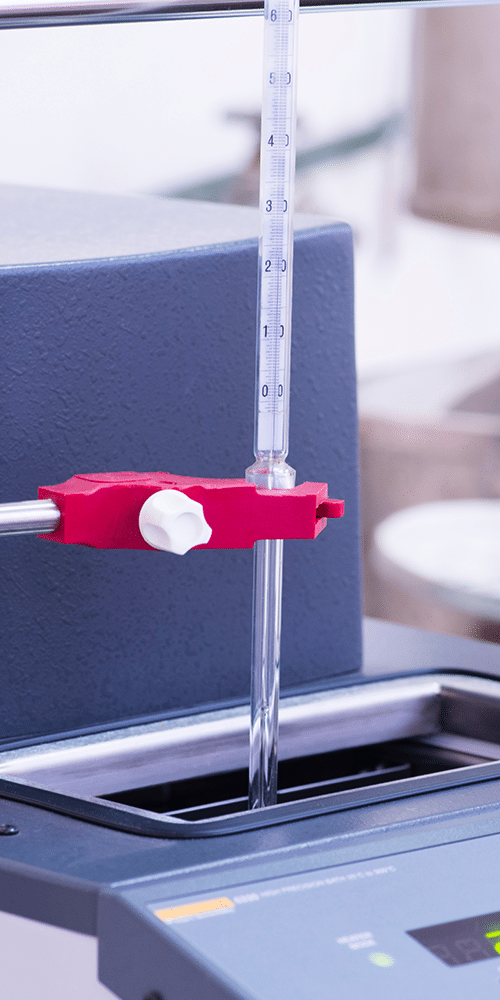
Manual calibration is a process where the user adjusts the device themselves, which is particularly useful for simple thermometers. There are several ways to perform this process, and below we describe one of the simplest, which can be easily done even at home. This method includes several steps:
- Preparing an ice bath – mix ice with water in a 1:1 ratio, creating a stable temperature of 0°C. Using distilled water (also in the form of ice) will ensure the uniformity of the mixture and accuracy.
- Placing the probe in the ice and water mixture – the thermometer probe should be completely submerged in the bath to obtain an accurate reading. Make sure that the probe does not touch the sides of the container, which could falsify the results.
- Adjusting the calibration – after stabilizing the temperature at 0°C, the user reads the value on the thermometer. If there is a difference in the reading, adjust the calibration according to the manufacturer's instructions.
Automatic Calibration
Modern thermometers often offer automatic calibration, which simplifies the calibration process. Such devices are equipped with algorithms that independently perform the calibration, based on previously set parameters.
Advantages of automatic calibration include:
- Ease of use – automatic calibrators eliminate the need for manual adjustment, saving time and effort.
- Increased accuracy – modern devices are designed to minimize measurement errors, improving accuracy.
- Regularity – many models of automatic devices offer periodic calibrations, ensuring long-term measurement precision.
Both calibration methods are effective in different situations, and their choice should be tailored to the specific needs of the user and the characteristics of the device. Thermometer calibration is an essential step in ensuring accurate and reliable temperature measurements.
How to calibrate different types of thermometers?
Calibration of thermometers varies depending on their type. It is important to understand how to perform calibration for both non-contact thermometers and probe thermometers to achieve precise measurement results.
Calibration of Non-Contact Thermometers
Calibration of a non-contact thermometer involves eliminating the standard measurement error. Specialized tools are used for this purpose, which ensure measurement accuracy up to 0.05°C. In practice, it is best to perform calibration in a bowl of warm water, whose temperature should be between 35 and 42°C. After measuring the water temperature with a precise thermometer, compare the reading with the values obtained from the non-contact thermometer. For example, if the non-contact thermometer shows 36.8°C and the precise one 37°C, make the appropriate correction in the device settings.
It is also recommended to regularly check the calibration, especially if the thermometer has been used in different conditions. This can help maintain its accuracy and reliability.
Calibration of Probe Thermometers
For a probe thermometer, the standard calibration method is the hot water method. Fill a vessel with hot water and place the probe in it. The water temperature should be about 100°C (boiling at atmospheric pressure). The reading from the probe should match the expected value. In case of discrepancies, it is necessary to adjust the thermometer settings. It is worth applying this method as well as the process described in discussing manual calibration – then we are sure that we do not have a problem with shift error or non-linearity in the given range. Accuracy requirements are crucial in professional applications, so it is worth investing in high-precision thermometers.
Calibration Frequency
The frequency of thermometer calibration is a key aspect of ensuring their accuracy and reliability. Calibration is usually recommended every 6 to 12 months, but this interval may vary depending on the specifics of the device's application. In cases of intensive use, such as in industry, calibration should be performed more frequently, even every few months.
Several factors influence the need for calibration, such as:
- Specifics of the activity – different industries may have different requirements for calibration frequency, for example, HACCP standards.
- Top-down recommendations – safety regulations for specific sectors may impose more frequent reviews.
- Intensity of use – thermometers used daily require more frequent calibrations than those used occasionally.
- Technical condition of the device – older and heavily used models may show errors more often.
- Type of thermometer – portable devices are more prone to damage, which also raises the importance of regular calibration.
Conducting regular reviews and calibrations is essential for maintaining measurement accuracy, which directly affects the quality of production processes and safety. Regular calibration helps avoid potential hazards associated with incorrect readings.
Is it worth using calibration services?
Using professional calibration services is essential in many industries where precision and accuracy (or their lack) translate into real benefits or losses, and measurement errors can have serious consequences. In different industries, calibration requirements vary depending on standards and the specifics of the activity. For example, in the food industry, HACCP standards require regular reviews of measuring devices to ensure food safety. In the medical sector, thermometers must be calibrated according to rigorous standards to ensure patient safety. The frequency of calibration also depends on the intensity of equipment use, the technical condition of the devices, and the specifications of the industry. Regular calibration is crucial for confirming the correctness of indications, which contributes to increased operational efficiency and minimizing the risk of incorrect readings.
FAQ – Frequently Asked Questions about Thermometer Calibration
How can I perform thermometer calibration myself?
To perform thermometer calibration yourself, you can use two methods: manual and automatic. Manual calibration involves adjusting the thermometer settings according to the manufacturer's instructions, e.g., using an ice bath or warm bath. Automatic calibration is available in modern models, where the device itself conducts the calibration process.
When is the best time to calibrate a thermometer?
It is advisable to calibrate a thermometer regularly, usually every 6-12 months. This frequency may vary depending on the intensity of thermometer use and the specifics of the industry in which it is used. In cases of intensive use, especially in industrial environments, calibration should be performed more frequently.
What are the differences between manual and automatic calibration?
Manual calibration requires the active involvement of the user, who adjusts the settings independently according to the manufacturer’s instructions. Automatic calibration, on the other hand, is performed automatically, making it more convenient and less prone to human error. Both methods have their advantages, and the choice between them should be adapted to the type of thermometer and the user’s expectations.
Transfer Multisort Elektronik (TME) is one of the world’s largest global distributors of electronic components, electrotechnical parts, workshop equipment, and industrial automation. The catalog includes over 1,500,000 products from 1,300 leading manufacturers. TME’s modern logistics centers in Łódź and Rzgów (Poland), with a combined area of over 40,000 m², ship nearly 6,000 packages daily to customers in more than 150 countries.
TME also invests in the development of knowledge and skills of young engineers and electronics enthusiasts through the TME Education project, and supports the tech community by organizing the TechMasterEvent series, promoting innovation and experience exchange.