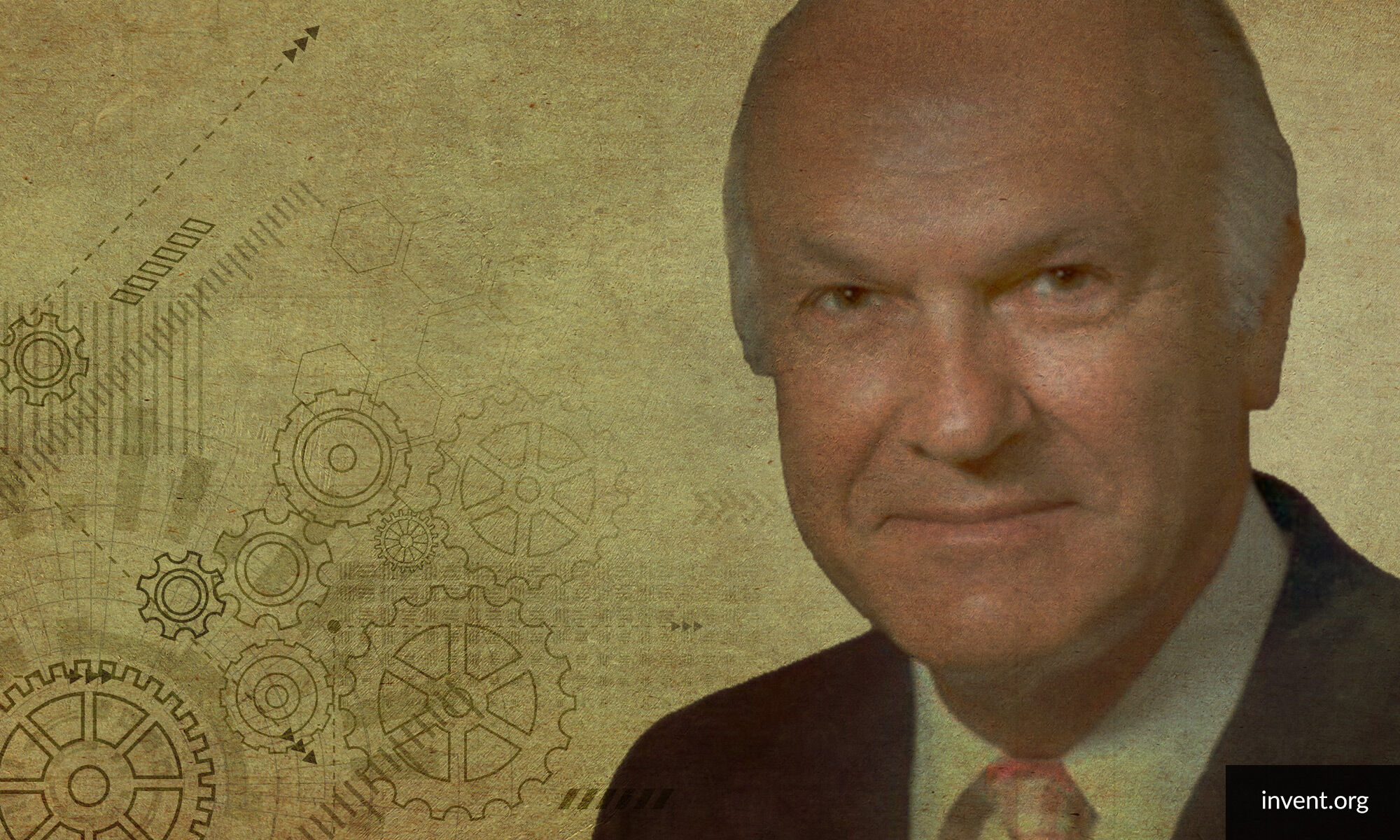
Bantval Jayant Baliga - architect of modern power electronics
Bantval Jayant Baliga - architect of modern power electronicsDate of publication: 28-04-2026 🕒 2 min read

Bantval Jayant Baliga was born on 28 April 1948 in India. He grew up in Jalahalli near Bangalore and his interest in electronics was sparked by his father bringing home professional magazines and technical publications. Baliga graduated in electrical engineering from IIT Madras. He then went to the United States and continued his education at Rensselaer Polytechnic Institute.
Working for GE and breakthrough
Like many of the inventors featured in our series, Baliga was also associated with General Electric, where he worked for as many as 15 years. He worked on problems related to the control and conversion of high electrical power. This was an issue that became increasingly important in the second half of the 20th century as industry expanded and energy demand surged.
At the time, engineers faced a significant technological limitation. The available semiconductor components did not allow both easy control and efficient conduction of large currents. Compromised solutions limited efficiency and increased energy losses.
The solution to the problem was discovered by Baliga, who saw an opportunity to combine the advantages of two different transistor technologies in a single semiconductor structure. The result of this work was the development of the IGBT transistor (Insulated Gate Bipolar Transistor).
IGBT - the foundation of modern power circuits
The IGBT transistor has quickly become one of the key components of modern power conversion systems. Its introduction significantly reduced energy losses and increased the efficiency of devices, while enabling the design of more compact and reliable systems. Over time, IGBT-based solutions have found wide application in industrial actuators, transportation, renewable energy and electromobility, becoming one of the cornerstones of modern power electronics. Their development has played an important role in the energy transition, enabling more efficient use of electricity and supporting the integration of renewable energy sources into the electricity infrastructure, with consequent reduction of losses and emissions.
Scientific achievements and contributions to the development of the field
B. Jayant Baliga remains not only an inventor, but also an active researcher and author of numerous publications on power semiconductors. His work has helped to structure knowledge in the field and set the direction for further development of the technology.
He also developed the concept of the 'Baliga Figure of Merit', which is used to evaluate semiconductor materials for their suitability in power electronics applications. To this day, this indicator is still the benchmark for research into new materials such as silicon carbide and gallium nitride.
The heritage that drives the modern world
The ability to control significant currents with electronic controllers has brought precision digital automation to many fields. The IGBT transistor has contributed to the efficiency of electricity conversion, which has translated into the development of electromobility, renewable energy sources and modern industrial systems, among others. This evolution is evident in the modern range of inverters, motor controllers and SSRs, or Solid State Relays. IGBT transistors can now be purchased in the format modules, as well as components: classic and SMD (surface mount).
The figure of B. Jayant Baliga and his invention are an excellent example of how a small component, invisible to the user, can be fundamental to the development of entire industries.
Transfer Multisort Elektronik (TME) is one of the world’s largest global distributors of electronic components, electrotechnical parts, workshop equipment, and industrial automation. The catalog includes over 1,300,000 products from 1,300 leading manufacturers. TME’s modern logistics centers in Łódź and Rzgów (Poland), with a combined area of over 40,000 m², ship nearly 6,000 packages daily to customers in more than 150 countries.
TME also invests in the development of knowledge and skills of young engineers and electronics enthusiasts through the TME Education project, and supports the tech community by organizing the TechMasterEvent series, promoting innovation and experience exchange.