How to equip your workshop?
How to equip your workshop?Date of publication: 04-09-2019 Update date: 10-04-2026 🕒 10 min read
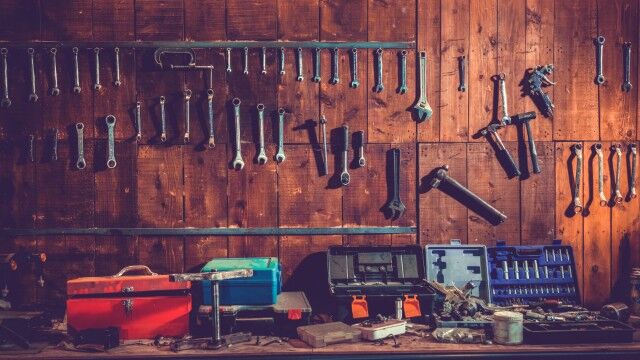
Basic workshop tools are often not enough to repair modern devices anymore. Specialised diagnostics are becoming increasingly necessary, and it’s best to perform those diagnostics in a well-equipped workshop. In this article, you will learn all about the tools you should be keeping handy at your workshop.
Here’s what we’ll discuss:
Most important information at a glance
-
Today's workshop requires specialized and diagnostic tools.
-
Safety and functionality of the workshop space are as important as its equipment.
-
Tools for the workshop are divided into hand tools, electric and specialized diagnostic equipment.
-
Drills and screwdrivers are versatile tools for drilling and fastening parts.
-
Soldering irons and welding machines allow metals to be joined permanently.
-
Digital Multimeters are essential diagnostic tools for measuring electrical parameters.
-
Tools should be stored in a dry place, preferably in labeled containers and drawers.
-
It is necessary to use personal protection equipment, such as safety glasses, ear muffs and masks.
-
Dangerous areas and emergency exits should be marked, ensuring transparency of the workspace.
What should be included in a modern workshop?
There are of course many types of workshops. What tools will find their place in one depends largely on individual needs. In specialist workshops, for example car workshops, you will need – among others – specialist wrenches, stands, car jacks and lamps, in addition to basic tools. Specialist lamps let car mechanics notice leaks and cracks in the car’s chassis.
A good, comprehensive set of workshop equipment is crucial, but proper room layout is just as important – it makes the whole operation safe, practical, functional, and relatively aesthetically pleasing. You should also consider the location of your workshop. After all, the sounds of tools whirring and banging away can really upset your family and neighbours.
When designing and setting up your workshop space, pay particular attention to safety issues. All protruding objects must be properly marked. Electrical sockets and devices must be secured. Same goes for power tools such as digital multimeters or electrical installation testers. You must also always follow the guidelines laid out in a device’s manual when taking measurements with it. You can learn more about electrical installations in one of our other articles — How to test an electrical installation.
What are the dangers you can encounter in a workshop?
You may encounter various dangers in a workshop. Some of them are caused by carelessness or incorrect use of workshop tools. That’s why you should always follow all instructions and guidelines, especially when using power tools like drills, electric screwdrivers, soldering guns or grinders that can permanently or partially damage hearing and eyesight of their users.
Eye protection when using tools
Lots of tiny debris is projected in the air when grinding or drilling. Those particles can easily get into your eyes and damage them. Safety glasses reduce the risk of this injury. It’s also absolutely crucial to wear eye protection when soldering since this work requires looking at a very bright light. That’s why wide, dark safety goggles must be worn when soldering.
Hearing protection in a workshop
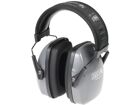
Ears must also be protected from noise, especially during cutting. There are many different earmuffs and earplugs available, suitable for each type of work and any personal preferences. It’s important to pick a model that will make workshop operations unrestricted and comfortable. We high recommend the BACOU-DALLOZ 1010922 ear defenders.
Securing and preparing your workshop
Securing the workshop itself is a less obvious thing. Beyond having a proper set up that was already mentioned, it’s just as important to mark dangerous areas such as distribution boards or flammable materials. Warning signs placed near those spots can be really helpful with solving this issue. You must also remember to properly mark the emergency exit as well as the route leading to it.
What are the types of workshop tools?

Workshop tools is a broad term encompassing a vast variety of components that should be available in any workshop. This set of equipment should be extremely versatile, letting you fix as many defects as possible and – if you’re a hobbyist – create more interesting designs. The old-school hammers, clamps and screwdrivers are now often used together with power tools that have made workshop operations much faster and more enjoyable. In recent years, all kinds of digital multimeters – devices that let you check electrical installation parameters – have become quite popular.
Drills and screwdrivers
One of the most interesting groups of workshop tools are drills, screwdrivers, and devices that combine both those functions, i.e. drill/drivers.
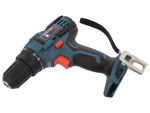 The primary task for drills is to make holes in surfaces of various types, such as wood or concrete. With the use of an impact mechanism, the drilling process is a lot easier.
Electric screwdrivers partially replace traditional screwdrivers and wrenches, as they allow you to quickly mount a bolt or a screw even in hardened surfaces. They also make it easier to unscrew rusted elements, which is especially handy in any automotive workshop.Drill/drivers are universal, as the name suggests, and can be used both for drilling holes and fastening screws. They are appreciated by people who have limited space in their workshops and don’t want to spend money on two different tools. TRYTON TJV10 is an interesting choice.
Soldering guns and welding machines
When you need to join two metals permanently, consider equipping your workshop with a soldering tool or a welder. Both these tools work in a similar way, so think about which of them will be a better fit for you.
 Welding is a process of joining two metals by using high heat to melt the parts together and allowing them to cool. Materials are heated with the use of an electrode. Inverter welders become increasingly popular, such as STAMOS 2094.
Soldering requires using an additional material with the melting temperature lower than the remaining two, which works as a solder. There are several types of soldering tools, the most common being transformer soldering irons and resistance soldering units. These power tools are a perfect fit in any hobbyist’s workshop, as despite their compact size, they allow you to join together damaged wires.
Multimeters and meters
A multimeter is an interesting device, especially for hobbyists. It allows you to easily and safely measure voltage and current in a circuit. In the past, analogue devices were used, which were transforming the signal with the use of
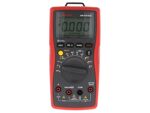 electromechanical systems, but currently digital multimeters are the most popular solution. They are far easier to use, and their measurement results can be easily processed. One multimeter worth considering is - BEHA-AMPROBE AM-510-EUR.
When buying a multimeter, it is a good idea to equip yourself with spare test leads and accessories. Clamps, crocodile clips, probes, and test leads will make it easier to conduct your tests, especially of compact installations where high precision is required.
How to safely store your workshop tools?
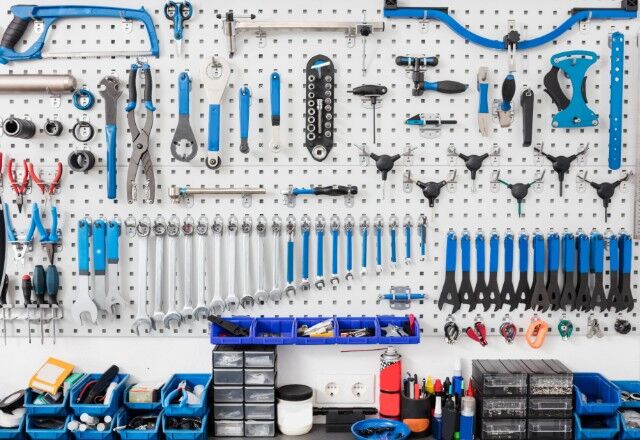
Apart from getting yourself a proper toolset, you should also consider a storage location for them.
 Safety during works in your workshop is of paramount importance, and by putting your tools in the right places, you minimize the risk of an incident.
Both traditional and power tools should be stored in a dry place. This will prolong their life and limit failures, and you will be able to enjoy them for many years to come. Spare screws and nuts are usually kept in marked containers, so that you can easily find them, whereas wrenches, hammers, and screwdrivers are stored in tool cases or in drawers. One interesting choice is the LICEFA A1-2/6BUNT kit.
Which additional tools should you choose for a hobbyist’s workshop?
People interested in modelling and DIY should think about printed circuit boards and components needed to produce them. Such PCBs serve as a base for various electronic circuits that can be used in models built at home.
| TME Symbol | Description |
| BAC-L1 | Ear defenders; Attenuation level: 38.5dB |
| TRT-TJV10 | Drill/driver; battery; max.25Nm; 20V; 0.8÷10mm |
| S-AC200P-BASIC | Inverter welder; 4.1kVA; 230VAC; 19A; 50/60Hz; MMA,TIG; IP21 |
| AM-510-EUR | Digital multimeter; LCD (3999),backlight; VDC: 1m÷600V |
| A1-2/6BUNT | Stationary set with drawers; Drawers in module: 6; grey |
Full offer of workshop equipment available at TME can be found here.
FAQ - Frequently Asked Questions about workshop equipment
What basic tools should be in a workshop?
Every workshop should be equipped with a set of basic hand tools, such as hammers, screwdrivers, pliers, socket Wrenches and clamps. Measuring Tools are also important - tape measures, spirit levels and protractors. It's also a good idea to stock up on power tools, such as a drill, screwdriver or angle grinder, which significantly speed up work and allow you to perform more demanding tasks.
Why is safety important when working in the workshop?
Safety is a key aspect of workshop work due to the dangers of using power tools and sharp objects. Proper protection of the workspace and use of personal protection equipment (safety glasses, gloves, ear muffs, protective masks) helps avoid accidents and protects health. Marking of hazardous areas and emergency exits further increases work safety, by minimizing the risk of injury.
How best to store Tools in the workshop?
To keep things tidy and extend the life of Tools, it's a good idea to store them in a dry and well-ventilated place. The ideal solution are lockable drawers, cabinets and special tool organizers. Spare parts, such as bolts, nuts or nails, should be stored in labeled containers, which allows you to quickly find the parts you need and makes your work more efficient.
What multimeter to choose for the workshop?
A good workshop multimeter should be digital, providing precise measurement of voltage, current and electrical resistance. Ease of use and readability of the screen is also an important feature. Especially recommended are models equipped with a backlit LCD screen, such as BEHA-AMPROBE, which perform well even in poor lighting conditions. When buying it is worth remembering about additional accessories, such as spare Test Leads, probes and Grippers, which significantly facilitate diagnostic work.
What power tools are indispensable in the workshop of a home do-it-yourselfer?
Power tools are invaluable in any home workshop due to their versatility and convenience of use. The absolute minimum is to purchase a drill-screwdriver, which allows you to drill holes and screw in bolts with less effort. Equally useful can be: an angle grinder for cutting and machining materials, a jigsaw for precision wood cutting, and a soldering iron for minor electrical work. The selection of appropriate tools should depend on the specifics of the projects, that we intend to carry out.
Which welding machine would be best for a DIY workshop?
For do-it-yourselfers, the best choice is compact inverter welders, which, thanks to their small size and low weight, are very convenient to use and transport. An example worth recommending is the RB welder-1040 Rebel. Such devices are energy-efficient and provide stable welding current, which translates into high quality welds. When buying it is worth paying attention to the possibility of adjusting welding parameters and compatibility with different electrodes, which ensures versatility of applications.
What are the most common risks when working in the workshop?
The most common dangers in the workshop arise from the improper use of electric and mechanical tools. Among the most common are eye injuries from splinters while grinding or drilling, hearing damage from power tool noise and the risk of burns during welding or soldering. It is important, to always use appropriate personal protection equipment, such as safety glasses, earmuffs or masks. It is equally important to follow operating instructions and regular maintenance of equipment, which help minimize the risk of dangerous situations.
How often should you inspect and maintain your workshop tools?
It is a good idea to inspect and maintain workshop tools on a regular basis - preferably once a month or after each intensive period of use. In the case of electric tools, the condition of the cables should be checked regularly, plugs and Enclosures, and in the case of hand tools, it is worth paying attention to any looseness or cracks. Regular cleaning, lubrication and replacement of damaged parts significantly prolongs the life of the equipment and ensures the safety of users.
Transfer Multisort Elektronik (TME) is one of the world’s largest global distributors of electronic components, electrotechnical parts, workshop equipment, and industrial automation. The catalog includes over 1,500,000 products from 1,300 leading manufacturers. TME’s modern logistics centers in Łódź and Rzgów (Poland), with a combined area of over 40,000 m², ship nearly 6,000 packages daily to customers in more than 150 countries.
TME also invests in the development of knowledge and skills of young engineers and electronics enthusiasts through the TME Education project, and supports the tech community by organizing the TechMasterEvent series, promoting innovation and experience exchange.