Murata sensors and meters – precision and reliability
Murata sensors and meters – precision and reliabilityDate of publication: 29-04-2024 🕒 7 min read
Sensors of various types play a key role in electronic devices. They are indispensable for monitoring, collecting data, and supporting intelligent systems that have changed the way the world works nowadays. Such components can be found in almost every piece of equipment or place – whether it is temperature sensors in a coffee machine, distance sensors in a car or inductive sensors installed in a factory’s production line. In fact, they are essential for the proper functioning of the equipment and machines we use every day.
Murata is one of the suppliers of top-grade sensors. Over the years, Murata has earned recognition among consumers thanks to its professional approach and extensive range of products, which are also available at TME.
- Murata infrared sensors
- Accelerometers
- Murata tilt sensors
- Magnetic field sensors
- Ultrasonic sensors
- Panel-mounted meters
Photoelectric (infrared) sensors
Infrared sensors leverage the photoelectric effect to detect objects in the range of infrared radiation. Their principle of operation involves the use of photon emission by the infrared diode and the detection of photons reflected by the receiver.
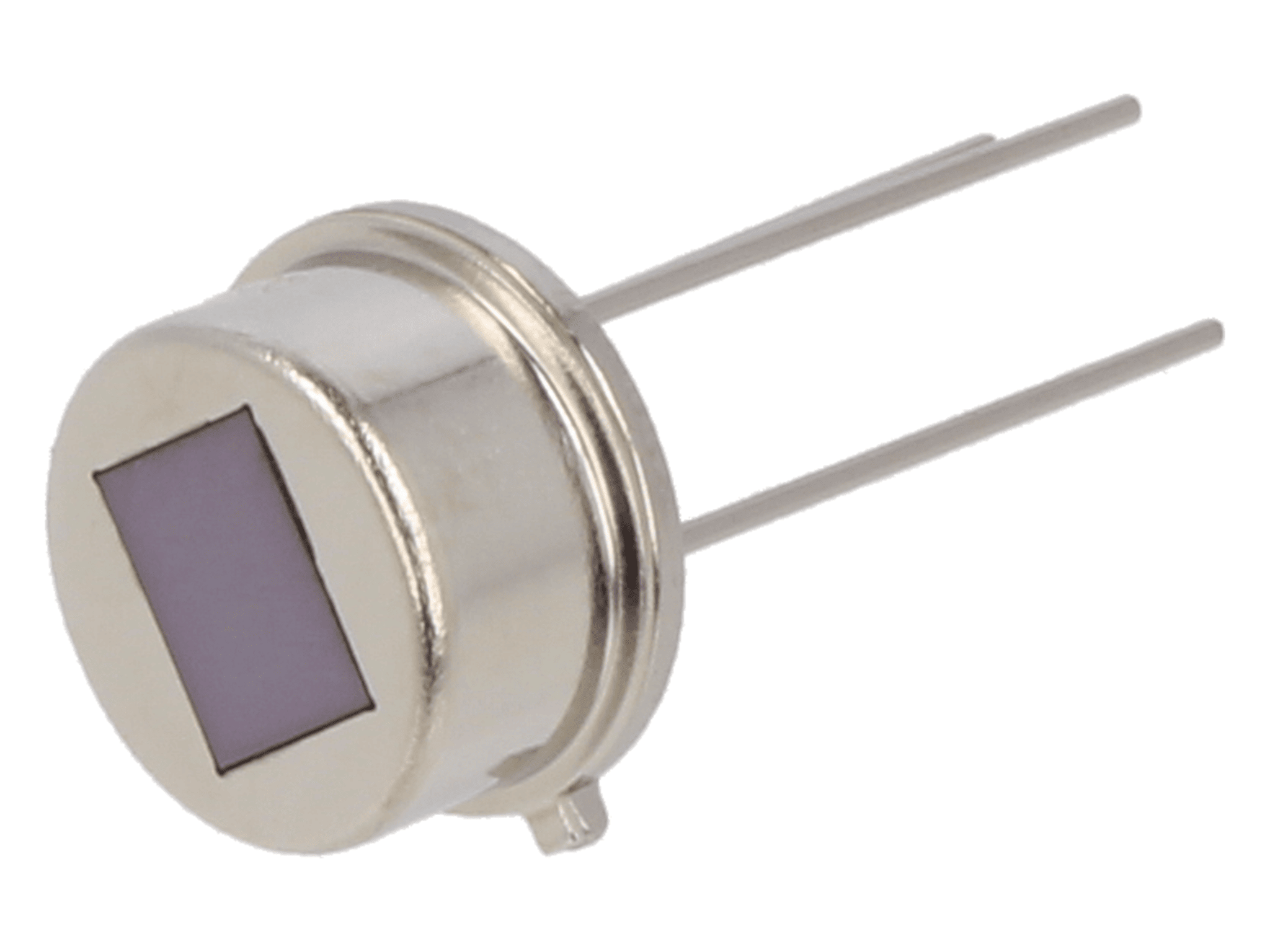
Murata infrared sensor
The TME catalogue includes several Murata sensors, which are housed in TO5 packages and suitable for THT through-hole mounting. They can operate at temperatures ranging from -40°C to 70°C and are powered from 2 V to 15 V (DC). In addition, it is worth mentioning that some of the models feature enhanced RFI (radio-frequency interference) immunity.
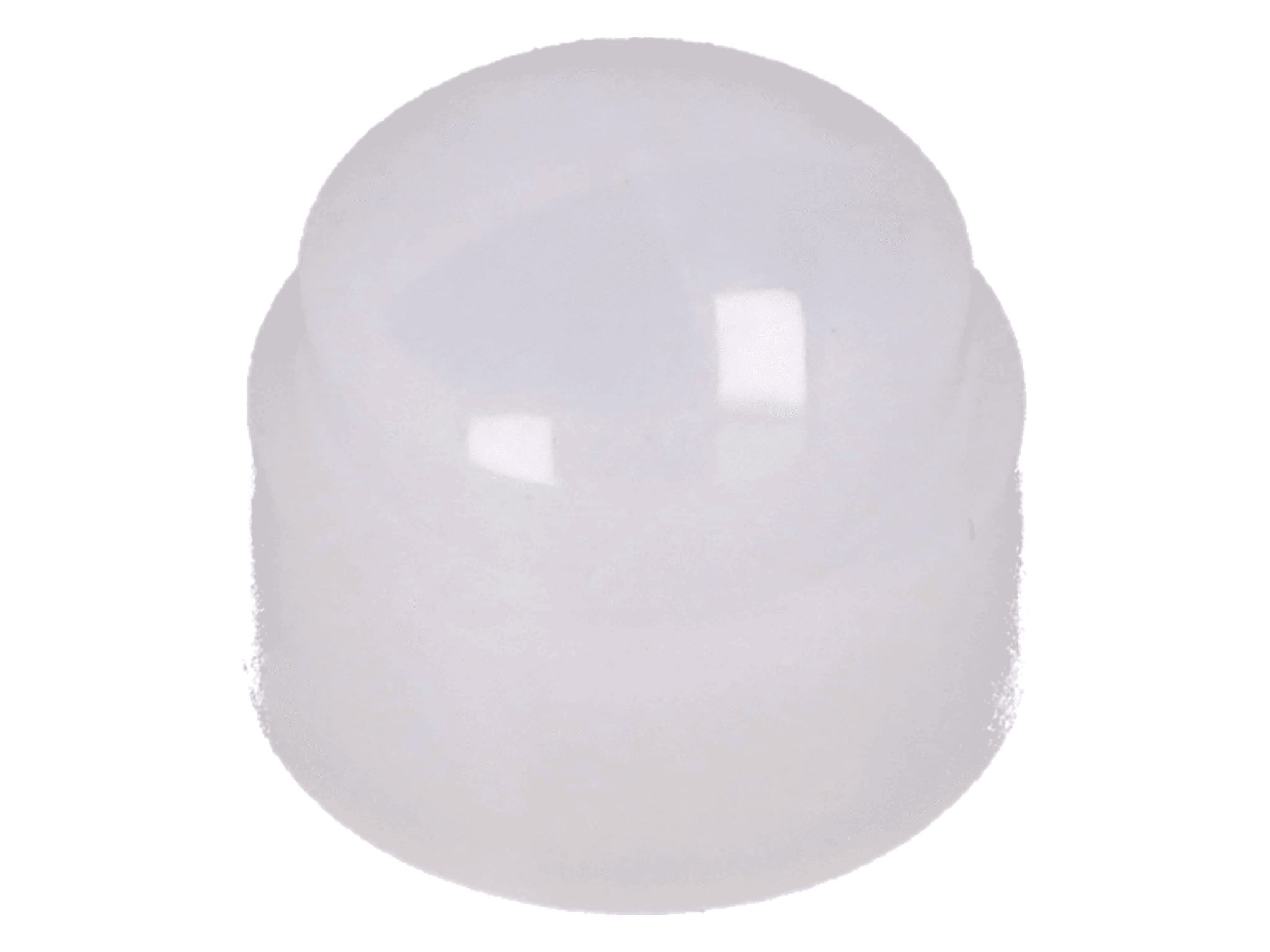
Lens with the 65°x60° detection area
Fresnel lenses, also supplied by Murata, are an important addition to infrared sensors. These small, plastic components enable the dispersion of the sensor’s beam, effectively increasing the detection area. Various lens types are available, offering areas of 95°x20°, 65°x60°, 30°x20° and 90°x80°.
Acceleration sensors (accelerometers)
Acceleration sensors, commonly known as accelerometers, are used for measuring the linear acceleration or changes in velocity along a linear path. They utilise diverse physical phenomena, including the piezoelectric effect, variations in electrical capacitance, or inertial forces, to convert linear acceleration into an electrical signal that can be read by other devices.

3-axis acceleration sensor by Murata
TME supplies individual acceleration sensors as well as compact modules mounted on PCBs, for easy prototyping. These components communicate through an SPI interface and operate at 3 V to 3.6 V (DC). Furthermore, each sensor offers a unique measurement range, spanning from -6 g to 6 g.
Tilt sensors (inclinometers)
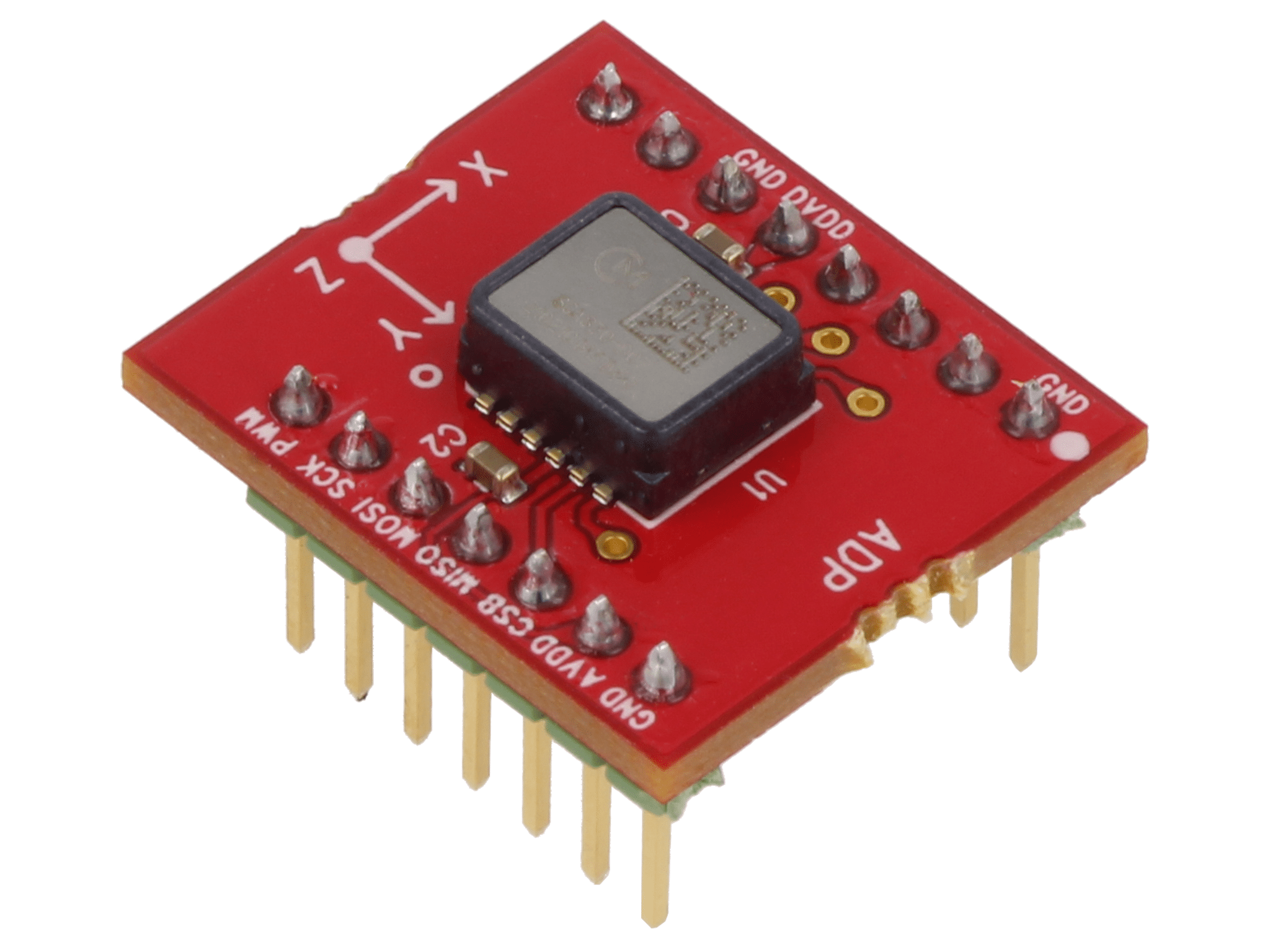
Sensor with -90°–90° measurement range
Tilt sensors, as you might guess, are designed to measure the angle of tilt or roll relative to a specific point. They are applied in many devices, one of the most popular being game controllers.
Inclinometers are also available as ready-to-solder components and ready-to-use modules mounted on a compact PCB. They are powered by 3 V to 3.6 V (DC) and communicate via an SPI interface. They come in several variants, supporting one, two or three axes of inclination.
Magnetic field sensors
Magnetic field sensors, also known as magnetometers, measure the strength and direction of the magnetic field at a specific point in space. In other words, they make it possible to determine an object’s position in space. They are widely applied in navigation and various industries.

Murata supplies resistive magnetic field sensors designed for surface mounting, housed in A35 and A39 packages. Their power supply voltage ranges from 1.6 V to 5.5 V (DC), depending on the model. Additionally, the sensor output voltage spans from 200 mV to 4.5 V, with specific ranges varying, depending on the selected unit. It's worth noting that the magnetic field measurement range extends from 0.5 mT to 2.7 mT.
Ultrasonic sensors
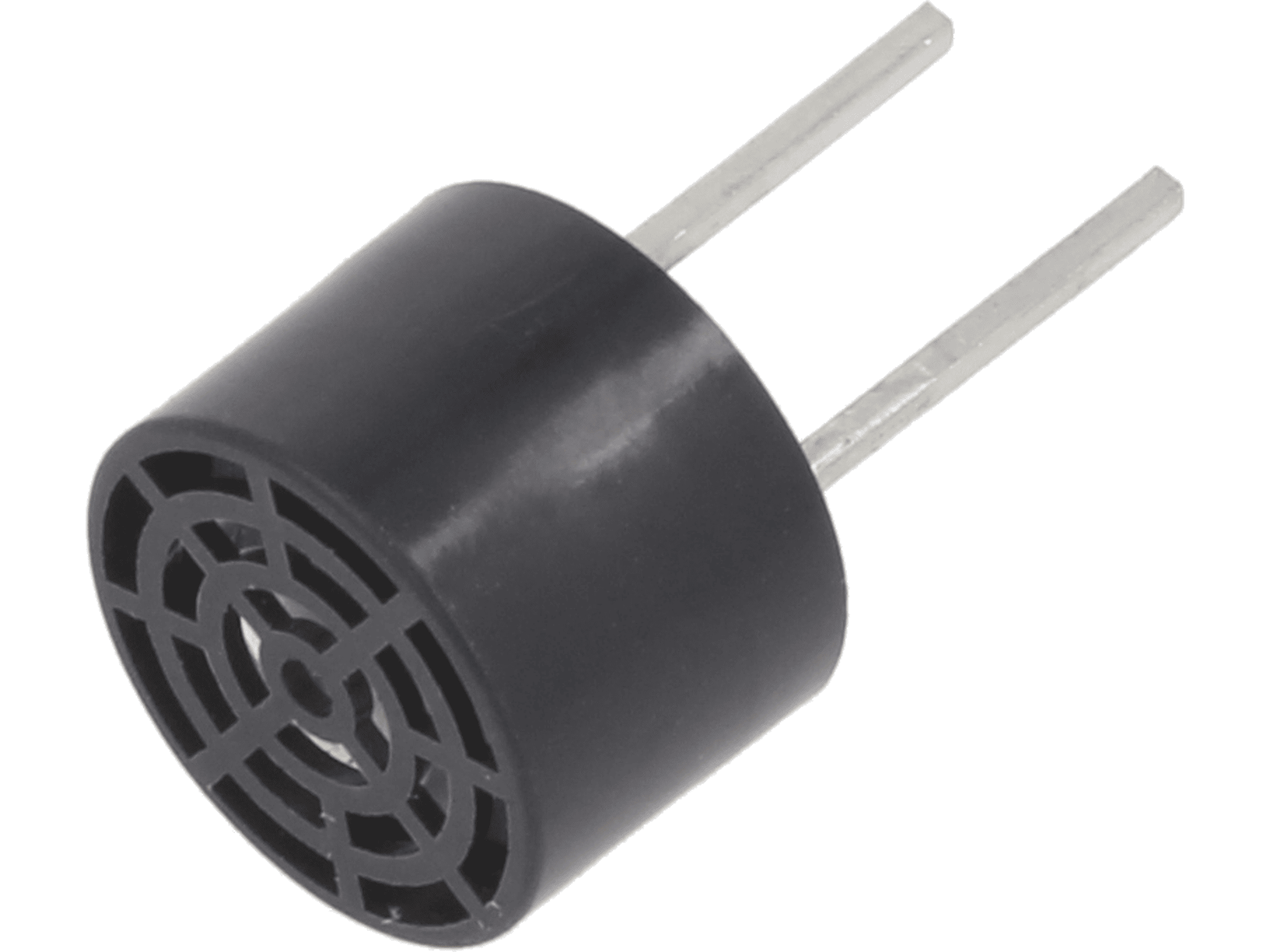
40kHz receiver
Ultrasonic sensors are mainly used in applications that involve distance measurement. They are based on high-frequency sound waves that are inaudible to the human ear. The sensor emits ultrasonic pulses and analyses the reflected waves. Based on that, the presence, distance and even the shape of the object can be determined.
At TME, you can find ultrasonic transmitters and receivers designed for THT mounting. These components can operate at -40°C up to 85°C. Murata transmitters emit ultrasound at a frequency of 40 kHz, while the receiver offers a sensitivity of –63 ±3 dB.
Digital panel-mounted meters and accessories
In addition to sensors, Murata also provides various types of panel-mounted meters designed for the industrial sector. These include voltmeters, ammeters, and electrical network parameter analysers, available in a wide range of panel-mounted housings.

Meter for measuring active power, AC voltage, AC current and power factor
The voltmeters can measure AC voltage (85–600 V) or DC voltage (-200–264 V) with an accuracy ranging from ±0.01 V to ±3 V, depending on the model. They are equipped with a colour LED or LCD display featuring 3, 3.5, 4, or 4.5 digit readout. Additionally, it's worth mentioning the sampling rate of the voltmeters, which is either 2.5 x/s or 3 x/s.
In the category of ammeters, you will find devices that are capable of measuring DC current (0 A–2 kA), AC current (0–500 A), or 0–20 mA current loops. They feature colour LED or LCD displays, offering 3.5, 4, or 4.5 digit readout accuracy. The sampling rate of the ammeters ranges from 1.5 x/s to 3.5 x/s, while their accuracy spans from ±0.001% to ±2%.
Electrical network parameter analysers are another interesting piece of equipment offered by Murata. They can measure AC/DC voltage, AC/DC current, current loops, active power and power factor. These are quite specific measuring devices, mainly applied in factories.

Meter mounting bezel
The TME catalogue also includes accessories manufactured by Murata that are compatible with the meters offered by that brand. These accessories comprise current shunts, test sockets, crimped terminals, housings, and mounting brackets and bezels. When selecting a specific meter, it is worth considering products in this category, too.